


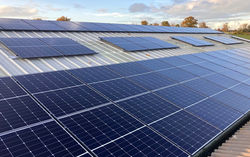

Understanding the Costs of Solar PV Systems - Solar Installation Pricing Guide
Switching to solar energy is a smart move. It saves money, reduces carbon footprints, and increases energy independence. But before you take the plunge, understanding the costs involved is crucial. I want to guide you through the key factors that influence solar PV system pricing. This way, you can make an informed decision that fits your budget and energy needs.
Solar Installation Pricing Guide: What You Need to Know
When considering solar installation, the price tag can seem daunting. However, breaking down the costs helps clarify what you’re paying for and why. Here’s a quick overview of the main components:
Solar panels: The heart of your system, converting sunlight into electricity.
Inverter: Converts the DC electricity from panels into usable AC power.
Mounting hardware: Secures panels to your roof or ground.
Installation labour: Professional setup and wiring.
Permits and inspections: Legal requirements to ensure safety and compliance.
Additional equipment: Batteries, monitoring systems, or optimisers if chosen.
Each of these elements affects the overall price. For example, high-efficiency panels cost more but generate more power. Similarly, adding battery storage increases upfront costs but offers energy independence during outages.

Understanding these components helps you evaluate quotes and avoid surprises. It also allows you to prioritise features that matter most to your home or business.
Factors Influencing Solar PV System Costs
Several factors impact the final cost of your solar installation. Here’s what I’ve found to be the most important:
System Size and Energy Needs
The bigger the system, the higher the cost. But bigger systems also produce more electricity, reducing your bills faster. Assess your current energy consumption to determine the right size. For example, a typical UK home might need a 3-4 kW system, while a small business could require 10 kW or more.
Quality of Components
Not all solar panels and inverters are created equal. Premium brands offer better efficiency and longer warranties but come at a higher price. Cheaper options might save money upfront but could cost more in maintenance or replacements later.
Installation Complexity
Roof type, angle, and shading affect installation difficulty. A flat roof or one with multiple angles may require extra mounting hardware or labour. Trees or nearby buildings causing shade can reduce system efficiency, sometimes necessitating optimisers or microinverters.
Location and Local Incentives
Where you live influences costs. In Shropshire, local regulations, labour rates, and available incentives can vary. Some areas offer grants or tax breaks that reduce your net cost. Checking with local authorities or your installer can uncover these savings.
Additional Features
Adding battery storage, smart monitoring, or electric vehicle chargers increases the initial investment. However, these features can enhance your system’s value and convenience.
By understanding these factors, you can tailor your solar PV system to your budget and goals.
What is the 20% Rule for Solar Panels?
The 20% rule is a simple guideline to help you estimate how much solar energy your system will produce relative to your electricity needs. It suggests that a solar PV system should cover at least 20% of your annual electricity consumption to be cost-effective.
For example, if your home uses 4,000 kWh per year, a system producing around 800 kWh annually (20%) can start delivering noticeable savings. This rule helps avoid overspending on oversized systems that take longer to pay off.
Keep in mind, this is a general rule. Your ideal system size depends on your energy goals, budget, and roof space. Discussing your specific situation with a trusted installer ensures the best fit.
Breaking Down the Typical Costs of Solar PV Systems
Let’s look at some numbers to give you a clearer picture. Prices vary, but here’s a rough breakdown for a typical residential solar PV system in the UK:
| Component | Estimated Cost (£) | Notes |
|---------------------|-------------------------|--------------------------------------------|
| Solar panels | 3,000 - 5,000 | Depends on panel quality and quantity |
| Inverter | 800 - 1,500 | Central or microinverter |
| Mounting hardware | 500 - 1,000 | Roof or ground mounts |
| Installation labour | 1,000 - 2,000 | Professional fitting and wiring |
| Permits & inspections| 200 - 500 | Local authority fees |
| Additional features | Optional | Batteries, monitoring, EV chargers |
A typical 4 kW system might cost between £5,500 and £8,000 before incentives. Remember, this is an investment that pays off over time through lower energy bills and increased property value.
If you want to explore detailed pricing and options, check out this solar pv systems cost guide for more insights.

How to Maximise Your Solar Investment
Getting the best value from your solar PV system means planning carefully and choosing wisely. Here are some tips I recommend:
Get multiple quotes - Compare prices and services from several installers.
Check installer credentials - Look for certifications and positive reviews.
Consider financing options - Some providers offer loans or leasing to spread costs.
Utilise available incentives - Research grants, tax credits, or feed-in tariffs.
Maintain your system - Regular cleaning and inspections keep panels efficient.
Monitor energy usage - Use smart meters or apps to track savings and adjust habits.
By following these steps, you ensure your solar installation is both affordable and effective.
Looking Ahead: The Future of Solar Costs
Solar technology continues to improve, and prices have dropped significantly over the past decade. This trend is expected to continue, making solar more accessible for everyone.
Energy storage solutions are becoming more affordable, allowing greater independence from the grid. Smart home integration also enhances system performance and user experience.
Investing in solar now means you’re ahead of the curve, enjoying savings and sustainability benefits for years to come.
Taking the Next Step with Confidence
Understanding the costs of solar PV systems is the first step toward a cleaner, more affordable energy future. By knowing what influences pricing and how to optimise your investment, you can confidently choose the right system for your property.
If you’re ready to explore solar options tailored to your needs, professional advice is invaluable. A trusted installer can provide a personalised assessment and transparent pricing.
Solar power is not just an expense - it’s a long-term asset that pays dividends in savings and environmental impact. Take control of your energy today and enjoy the benefits tomorrow.


Comments